JUANA SUMMERS, HOST: The U.S. job market slowed to a crawl last month. Employers added far fewer jobs than forecasters had expected. That disappointed a lot of people who are looking for work. And for those who are employed, paychecks are not keeping pace with the rising cost of living. NPR's Scott Horsley joins us now with the details. Hey, Scott.
SCOTT HORSLEY, BYLINE: Hi, Juana.
SUMMERS: So, Scott, I'm thinking back to a month ago, and then it looked like the job market was heating up, but the good times - they did not seem to last. Tell us what happened.
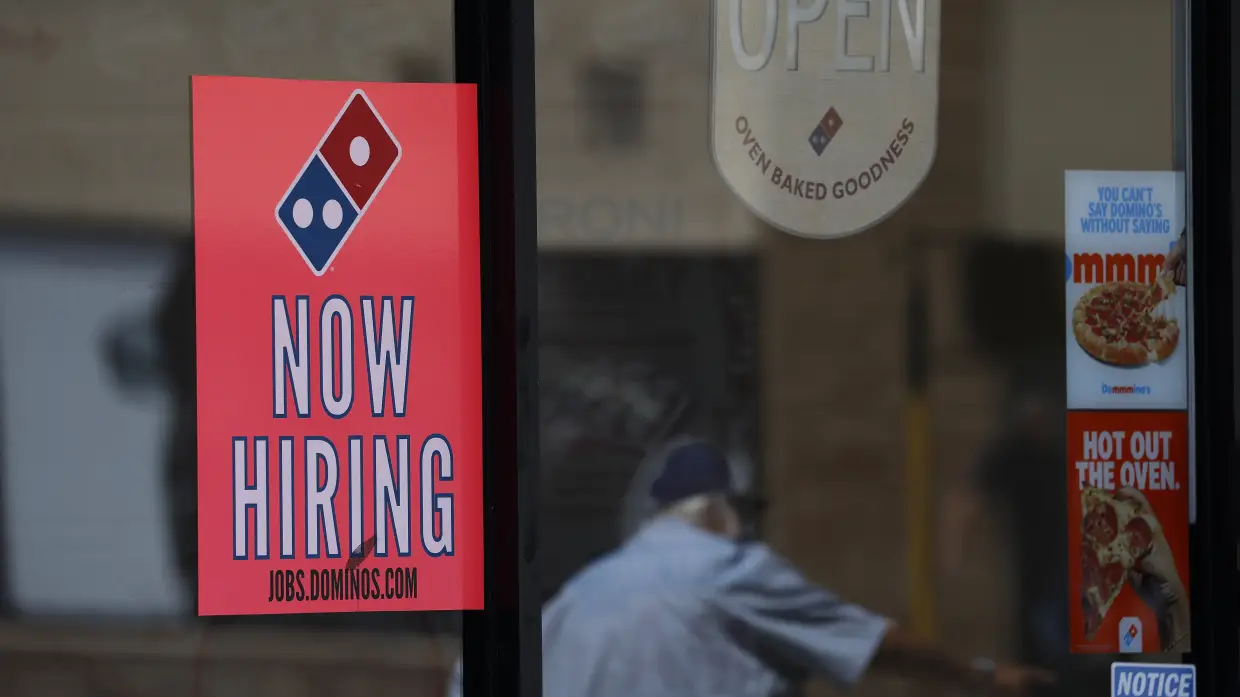
HORSLEY: Yeah, hiring did pick up back in August when employers added more than 100,000 jobs. And there was some hope that maybe the labor market was pulling out of this funk it's been in, but those hopes were dashed in September. Employers added only 29,000 jobs last month. That's not only less than forecasters were predicting, it's discouraging for a lot of job seekers. And after that strong August report, hundreds of thousands of people came off the sidelines and began looking for work last month. Labor economist Nicole Bachaud of the job search website ZipRecruiter says, a lot of them wound up disappointed.
NICOLE BACHAUD: Workers were expecting more opportunities this month. They were really betting on employers picking up on that momentum that just didn't follow through.
HORSLEY: Revised figures also show hiring in July and August was actually weaker than had been reported. And the unemployment rate inched up last month to 4.2% - still low by historical standards - but the job market just seems stuck in a very low gear.
SUMMERS: And what does that mean for people out there who are job hunting?
HORSLEY: It's really tough. More than 27% of people who are unemployed have been out of work now for six months or more. Chief Economist Daniel Zhao, who's with the online job site Glassdoor, says it's unusual to have that much long-term unemployment when the economy is not in a full-blown recession.
DANIEL ZHAO: For workers who are in a job, they're sitting tight. They're trying to hold on to that job security. But for workers who are out of a job, they're finding it extremely difficult to break in.
HORSLEY: And it can be really frustrating when you're sending out resumes month after month and not getting much of a response. It also means a growing number of people have now exhausted their unemployment benefits, even though it could be a long time before they're able to find a new job.
SUMMERS: And what about people who are working? How are they holding up?
HORSLEY: One indicator of how soft this labor market is right now is what's happening with wage gains. Those have been slowing down. Average wages in September were up just 3% from a year ago. That's a smaller pay hike than we saw the previous month. And Bachaud says it's probably not enough to keep up with today's rising prices.
BACHAUD: Workers are really struggling to make ends meet. Affordability challenges are a big concern given high prices, slower wage growth, and the difficulty that many are having finding additional employment, more hours, whatever it may be. That's leading to less money at the end of the month.
HORSLEY: Inflation's been outpacing wage gains for the last six months now, and that means the typical worker's spending power is just getting gobbled up by higher prices.
SUMMERS: Last thing, Scott, how did the financial markets react to today's jobs report?
HORSLEY: Investors think this makes it less likely the Federal Reserve is going to raise interest rates when policymakers meet later this month. So we did see a modest rally in the stock market. Lower borrowing costs tend to be good for stock prices. Investors still think interest rates will go up, though, by the end of the year. Bond yields are also up. The yield on 10-year Treasurys - end of the week, just below 5.3%, which is higher than it's been for most of the last 25 years. That means higher costs for all kinds of credit, including things like business loans and home mortgages.
SUMMERS: NPR's Scott Horsley, thank you.
HORSLEY: You're welcome.